Rwanda is a country that has striven to provide affordable, reliable and sustainable electricity to all citizens. Recognizing the essential role of access to energy in accelerating economic development and improving the health, safety and standard of living, it has succeeded in attracting a number of private companies to invest in the sector, particularly in off-grid electrification to bridge the gap between high energy costs and limited financial accessibility.
Rwanda, AFRICA

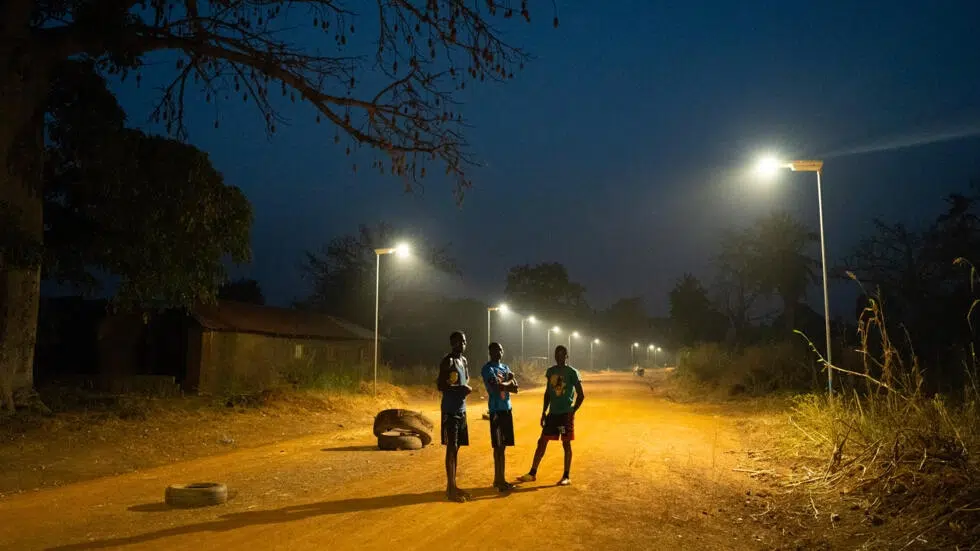
The project aimed to illuminate three refugee camps (to light up toilets and streets) in Rwanda that are NYABIHEKE, KIGEME and GIHEMBE in order to promote security and to improve life quality by artificially extending the hours of light so that activities can continue.
The prohibitive cost of kerosene or petrol flares for lighting was a barrier to the development of night and family activities: the resulting darkness brought fear and insecurity.

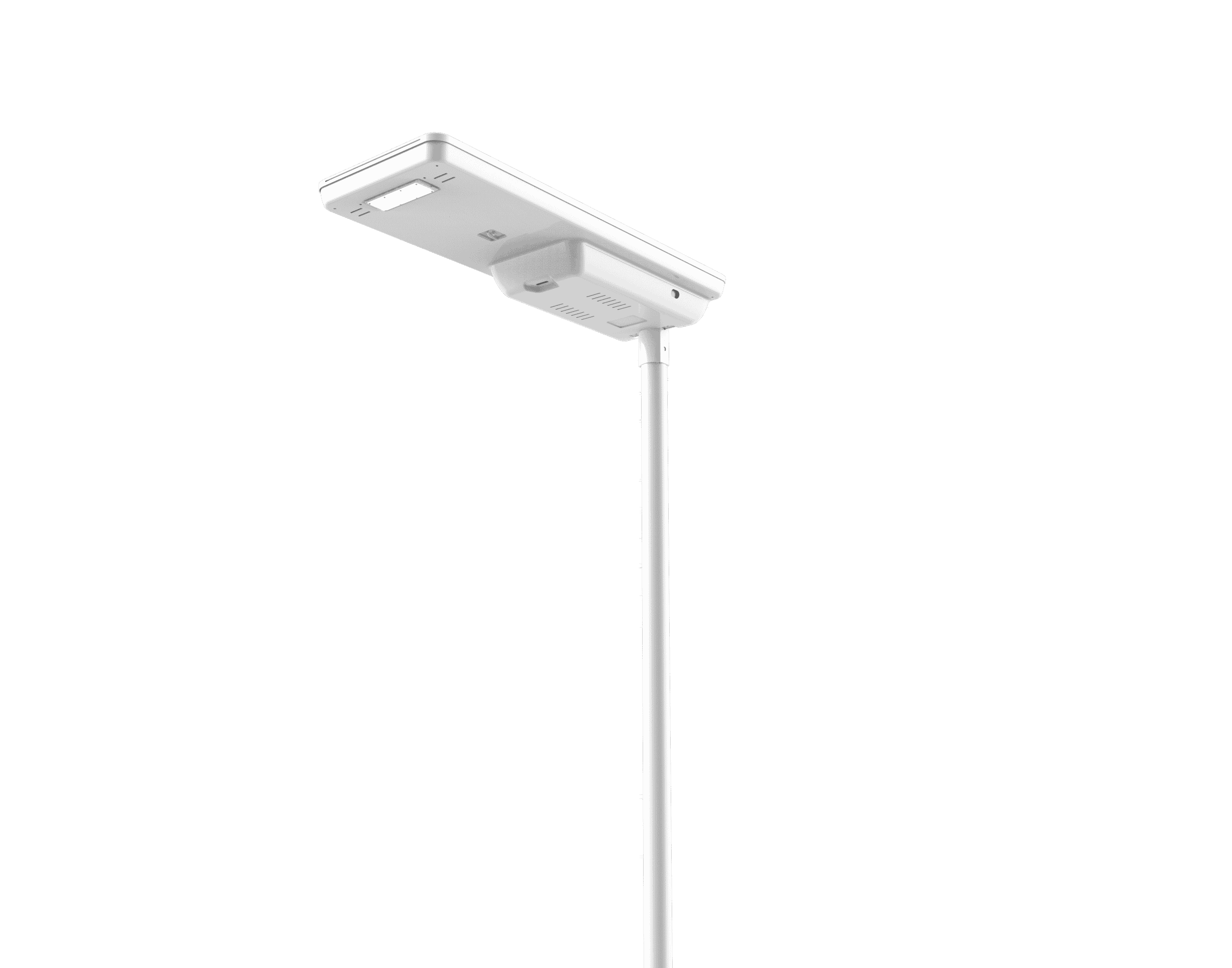
Sunna was chosen for this project because its high-quality products come with a warranty and a complete set of services: they provide uniform, high-performance lighting and are equipped with innovative remote management technology. The number of people impacted by this project in three camps is approximately 47,095 people. Solar street lighting offers a number of advantages in camps such as:
– Reduction of accidents and crime on the streets and toilets
– Increase the comfort of use of the sanitary facilities
– Stimulation of night trade.

“We are very happy with this project. There has never been any solar lighting in this camp. We have suffered from darkness, as night falls, our lives depend on fire. Our children have trouble studying on oil lamps, but from now on, children can sit outside and study at night.”
– Innocent, family man.
“Life will change in terms of leisure, so far we are able to play football, basketball for the duration of the tournament, after completing all activities.”
– Eric, 17-year-old boy from Nyabiheke camp.
2019
Rwanda
Government of Rwanda
iSSL +, iSSL Maxi Area



Solar Lighting in Africa: 7 Keys to Delivering a Large-Scale Project From Pilot Project to Nationwide Deployment: How Can a Solar Lighting Project in Africa Be Successfully Delivered? What if a solar streetlight could do much more than simply light a road? In Africa, autonomous public lighting is a powerful driver of […]
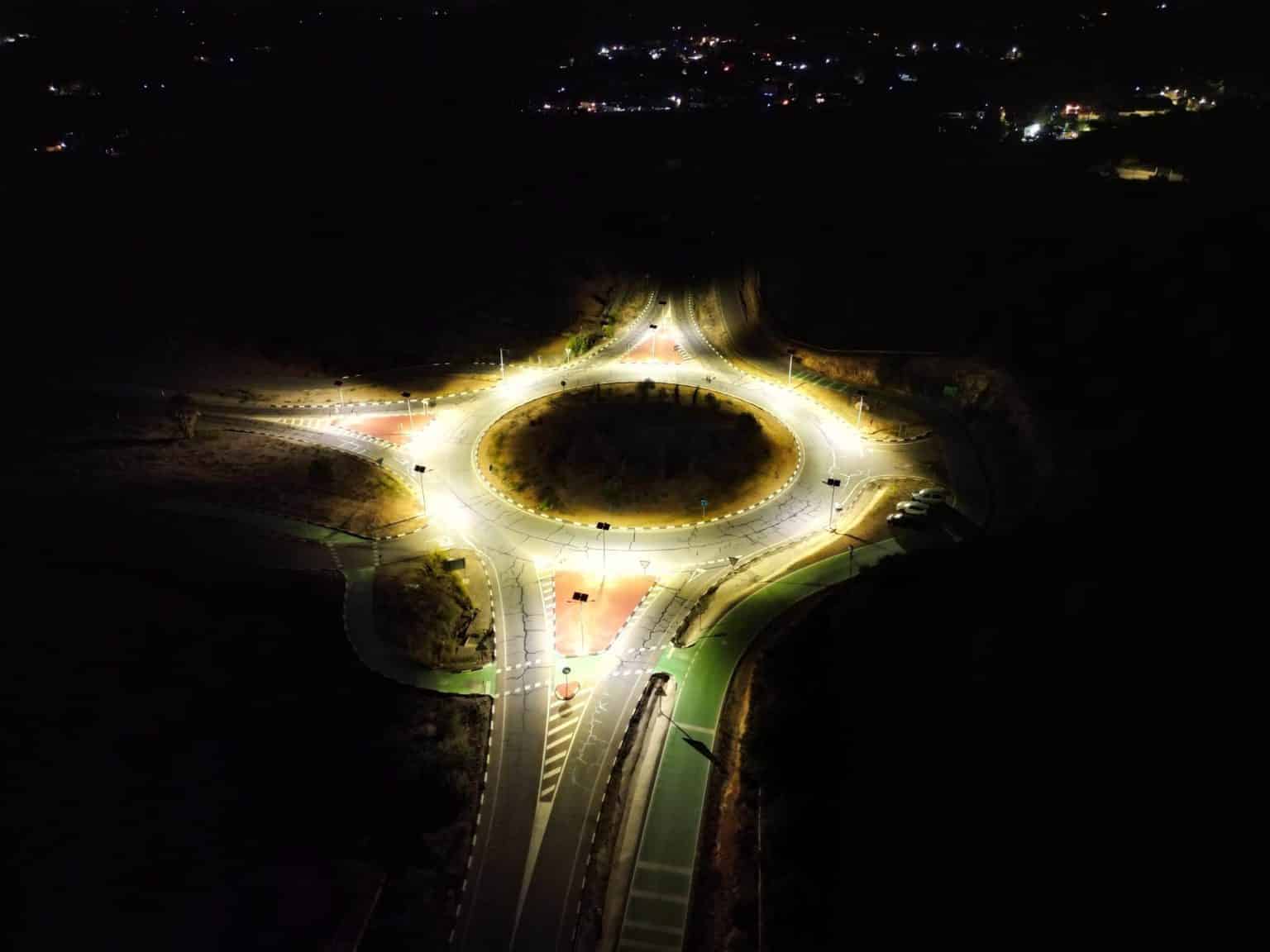
In Marines, the roundabout connecting the CV-25 and CV-333 roads plays a key role in traffic flow. However, it lacked any form of lighting, compromising nighttime visibility and increasing the risk of accidents. Its distance from the power grid made traditional connection both complex and costly, requiring heavy work and major traffic disruptions. To […]
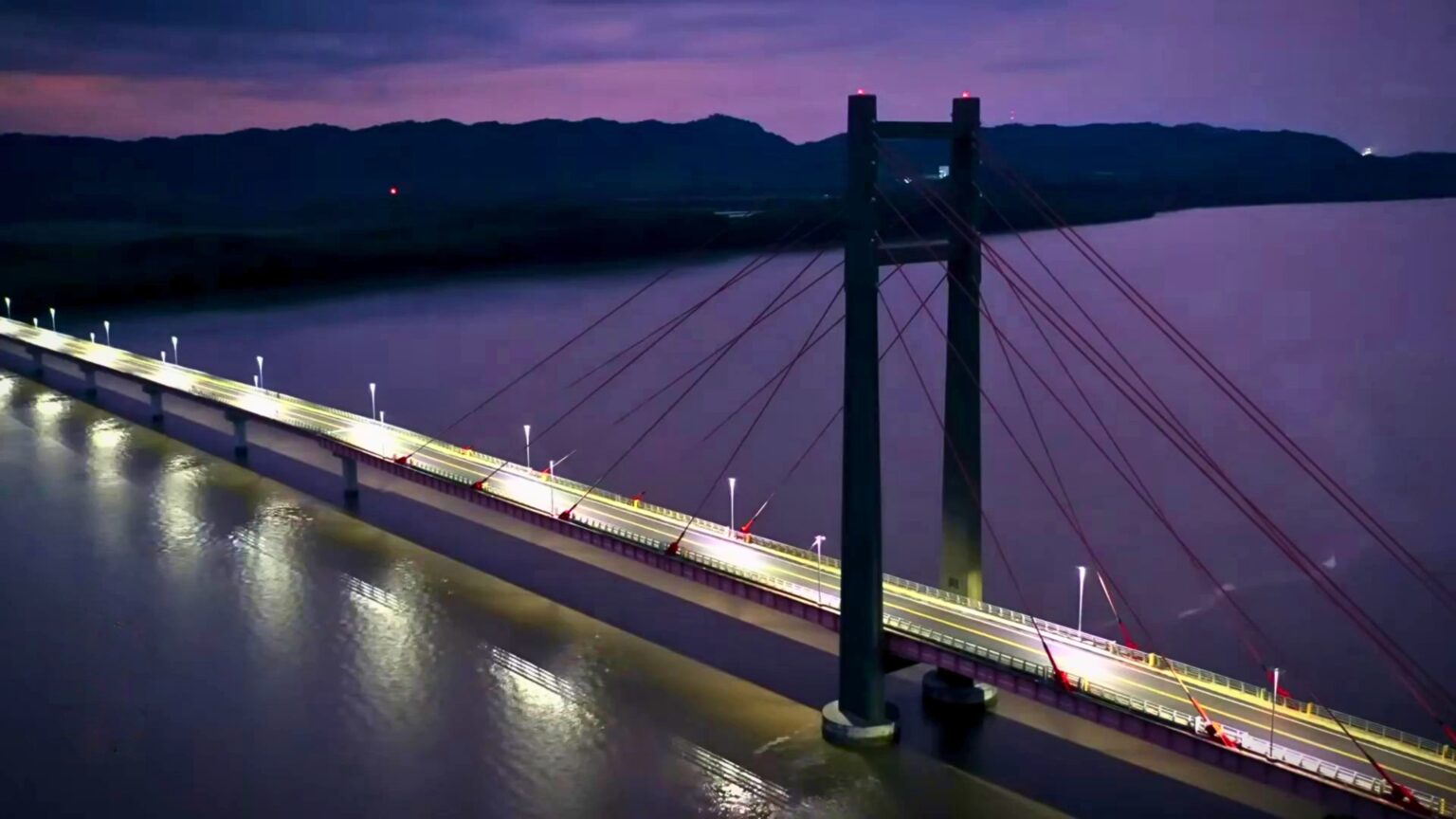
Lighting a 780-meter bridge without grid connection, while reducing infrastructure costs and environmental impact. Located in the Guanacaste province in Costa Rica, the Puente de la Amistad Bridge is a key road infrastructure connecting the cantons of Cañas and Nicoya. With a length of approximately 780 meters and representing an investment of […]
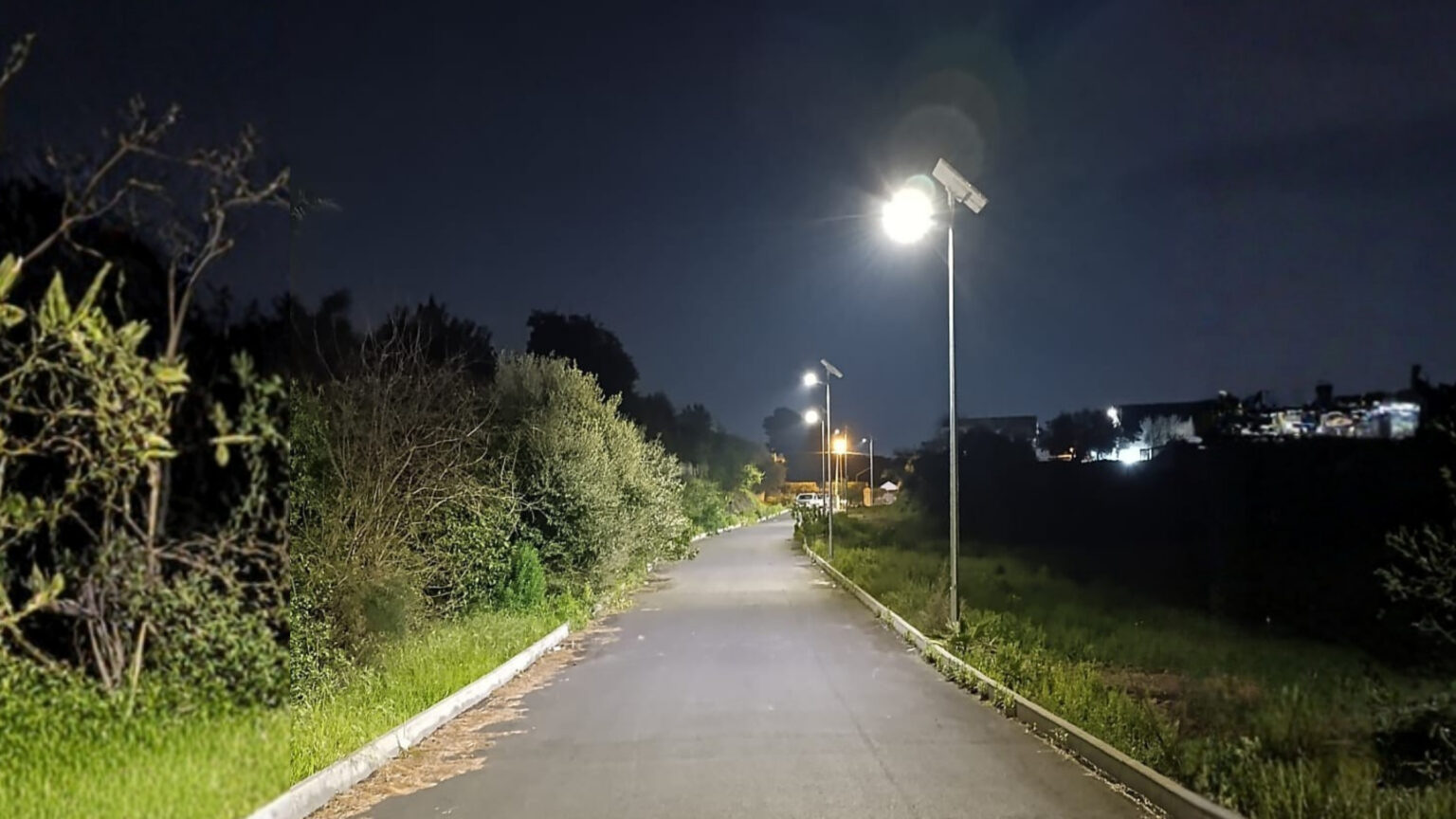
Italy: Securing a new road from day one with autonomous solar lighting. As part of a new road project in Italy, local authorities sought a solution to make this infrastructure safer, modern, and environmentally friendly from the moment it opened. The goal was to ensure efficient lighting immediately, without relying on a connection […]