Lighting a 780-meter bridge without grid connection, while reducing infrastructure costs and environmental impact.
Located in the Guanacaste province in Costa Rica, the Puente de la Amistad Bridge is a key road infrastructure connecting the cantons of Cañas and Nicoya. With a length of approximately 780 meters and representing an investment of around $27 million, this strategic bridge crosses the Tempisque River and plays a vital role in regional mobility and economic development.
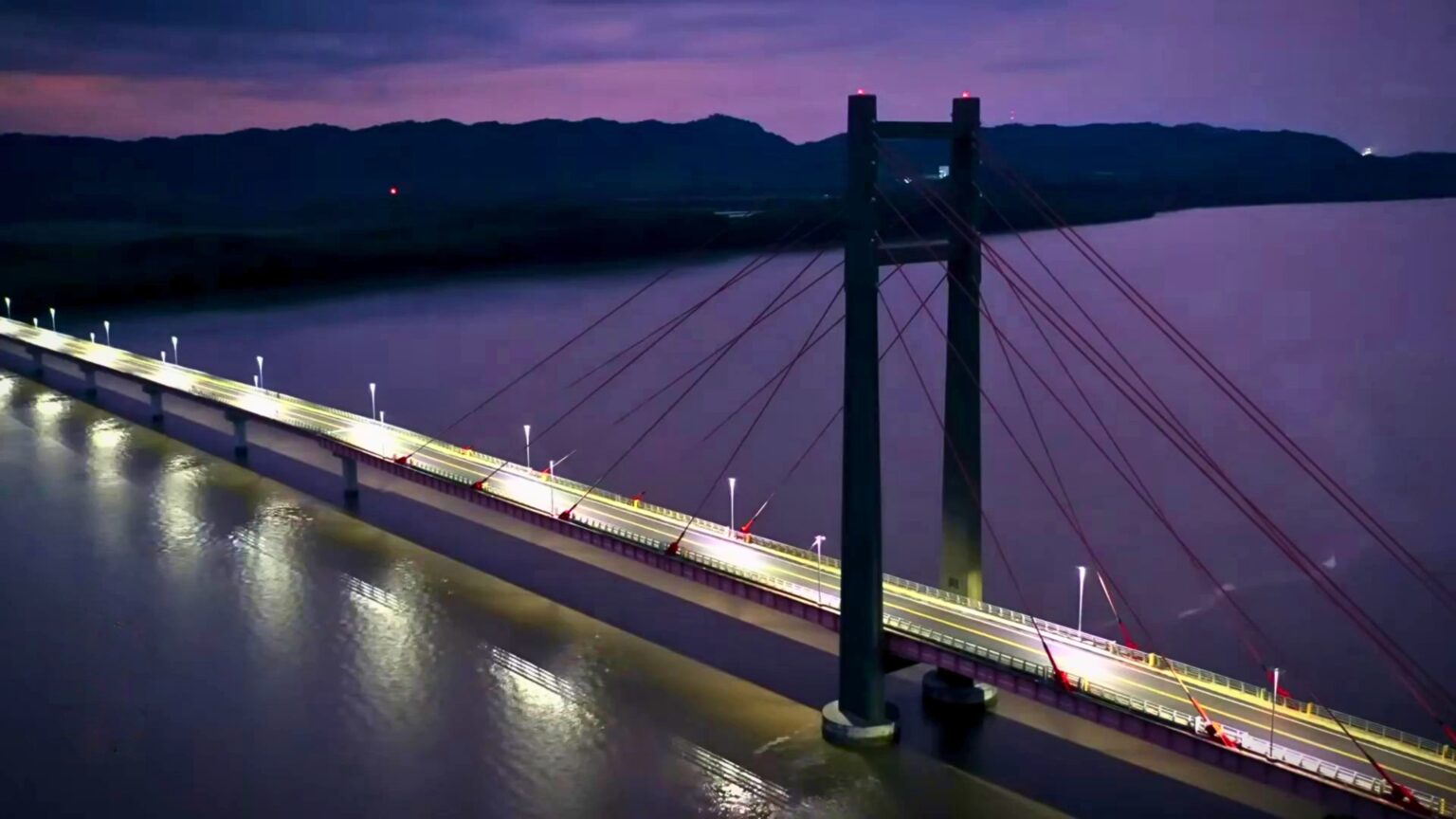
As part of a modernization program, local authorities aimed to improve night-time road safety while minimizing infrastructure costs and energy consumption. To address these challenges, the local partner SERC S.A, now part of the Heliotek Group, deployed a Sunna Design autonomous solar lighting solution, with the installation of 26 iSSL Maxi 4 solar street lights, capable of efficiently illuminating the bridge without any connection to the electrical grid.
Suspended roadway on a 780-meter bridge
Guanacaste – COSTA RICA
Inaugurated in 2003, the Puente de la Amistad is one of the most important transport infrastructures in northwestern Costa Rica. With a length of nearly 800 meters, it connects the Nicoya Peninsula to the rest of the country and facilitates travel between several major economic areas in the region.
Every day, the bridge is used by thousands of people: residents, transport operators, tourism stakeholders, and local businesses. It therefore represents a key asset for regional mobility and economic activity.
In this context, road safety is a critical issue. The lack of adequate lighting can reduce driver visibility and increase the risk of accidents, particularly on long infrastructures such as bridges.
Authorities therefore sought to implement a modern lighting solution capable of improving night-time visibility while aligning with a sustainable energy approach.
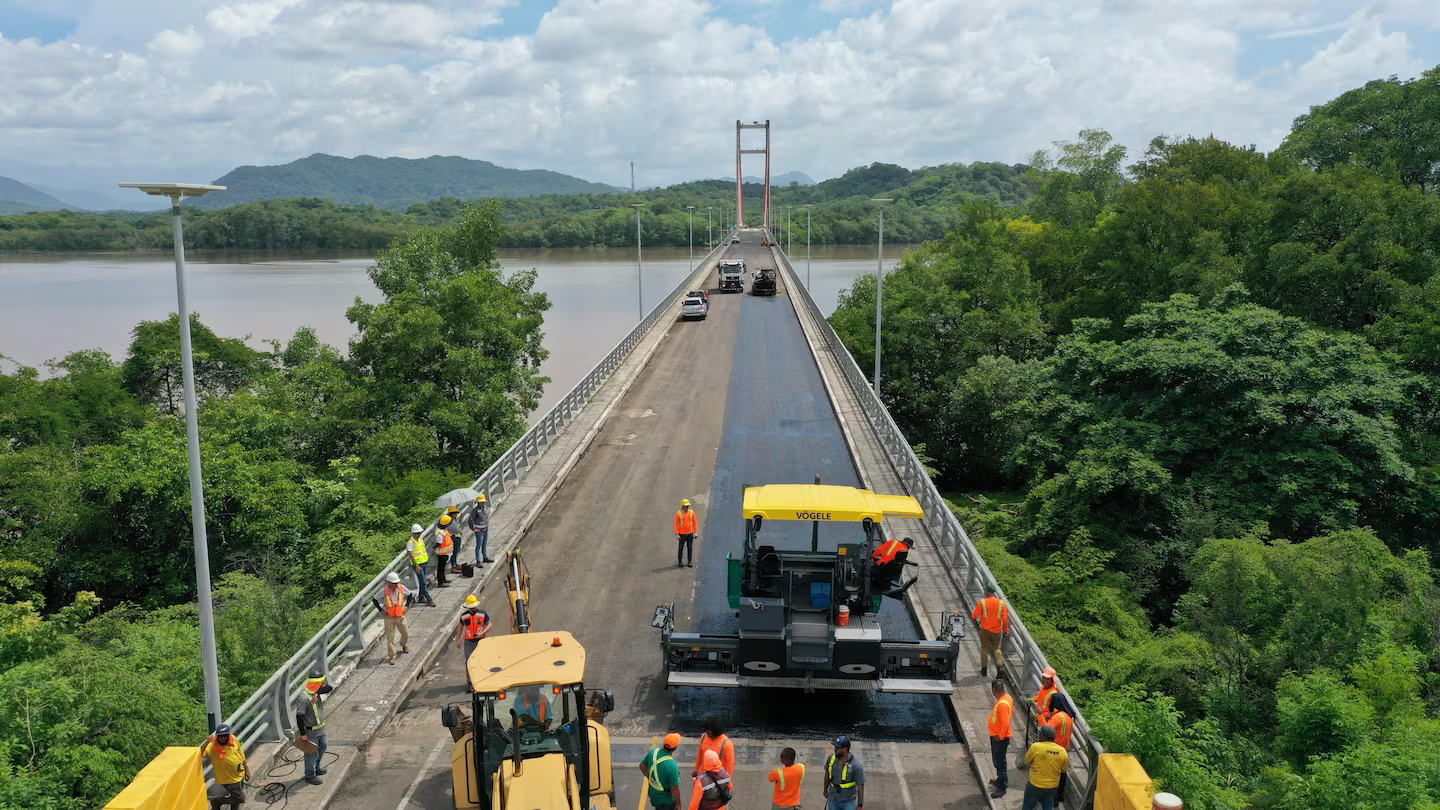
Installing a conventional lighting system on a long bridge can be complex and costly. A traditional solution would require a full electrical infrastructure, including cabling along the entire structure, extensive installation work and ongoing operational costs linked to electricity consumption.
These constraints are further increased by the environmental conditions of the region. Located above the Tempisque River, the bridge is exposed to a tropical climate characterized by humidity, heat, and sometimes demanding weather conditions.
Authorities were therefore looking for a solution capable of meeting several objectives:
rapidly improve night-time road safety
limit work on existing infrastructure
reduce operating costs
prioritize a sustainable energy solution
In this context, autonomous solar lighting for this bridge infrastructure emerged as a particularly relevant solution.
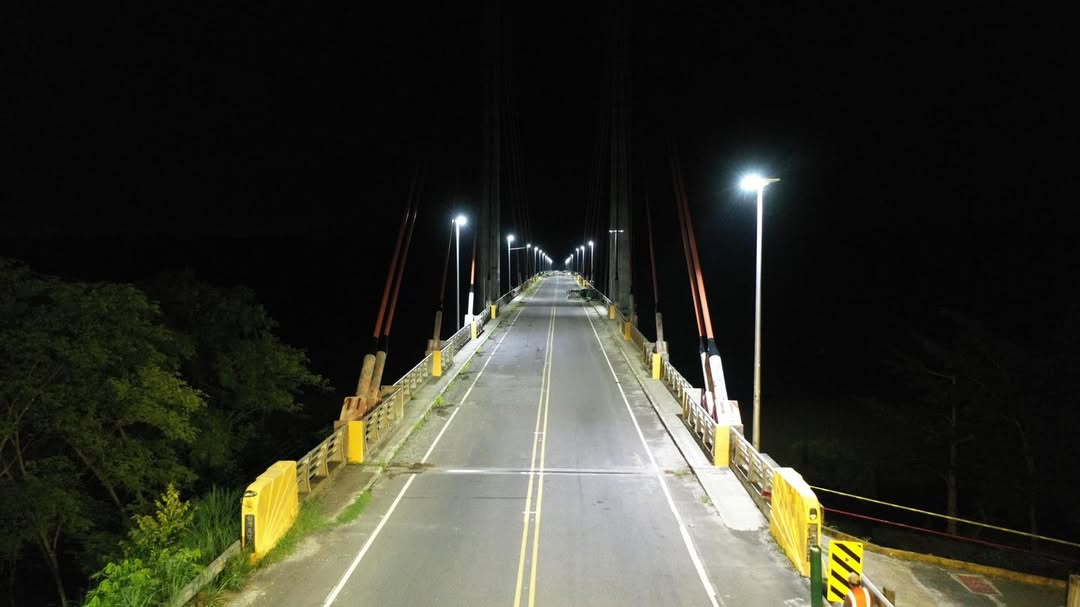
To meet these challenges, the local partner SERC S.A / Heliotek chose to deploy the Sunna Design iSSL Maxi 4 solution, specifically designed for road lighting and infrastructure. A total of 26 autonomous solar street lights were installed along the bridge to ensure uniform and high-performance lighting.
The iSSL Maxi 4 is an all-in-one solar lighting solution integrating all necessary components into a single unit:
a high-performance solar panel
a long-life battery
an intelligent energy management system
a high-efficiency LED module
This compact design significantly simplifies installation and reduces maintenance requirements. One of the key advantages of this solution lies in its fully autonomous operation. The street lights generate and store their own energy through solar power, eliminating the need for grid connection. This approach helps reduce infrastructure costs while accelerating project deployment.

Sunna Design solutions are specifically developed to operate in challenging environments and remote areas.
iSSL Maxi street lights are equipped with an intelligent energy management system that optimizes solar energy usage to ensure reliable lighting throughout the year.
This technology is particularly suited to intertropical regions such as Central America, where climatic conditions may vary but solar energy remains an abundant resource.
Thanks to this approach, communities can benefit from a sustainable and high-performance lighting solution without relying on complex electrical infrastructure.

The installation of 26 autonomous solar street lights on the Puente de la Amistad has significantly improved safety and visibility on this strategic infrastructure.
The bridge now benefits from uniform lighting that facilitates night-time traffic and enhances user comfort.
Beyond safety improvements, the project also delivers significant economic and environmental benefits. The system operates fully autonomously, with no electricity consumption from the grid, helping to reduce operating costs and the project’s energy footprint.
The autonomous nature of the system also enabled a fast deployment, without cabling work or major modifications to the bridge structure.
This project demonstrates that it is now possible to modernize road infrastructure lighting while adopting sustainable and cost-effective energy solutions.

Autonomous solar lighting is now recognized as a particularly suitable solution for linear infrastructure such as bridges and roads.
In this type of configuration, deploying an electrical grid can be complex, especially due to the length of the infrastructure and associated technical constraints.
It also provides greater flexibility in lighting design and installation, which is a key advantage for development or modernization projects.
Autonomous solar street lights enable efficient lighting of a wide range of sites, including bridges, remote roads, parking areas, and certain industrial infrastructures.
Thanks to recent technological advancements, solar road lighting solutions now offer a level of performance and reliability comparable to conventional systems, while using renewable energy.
For local authorities and infrastructure managers, these solutions represent an opportunity to improve road safety while reducing energy costs and supporting the energy transition.


Photos © Ministerio de Obras Públicas y Transportes, Drone Pilot 506, Canal1_cr, The Tilaran Chronicles
Our experts can support you in designing a solution adapted to your technical, economic and environmental needs.
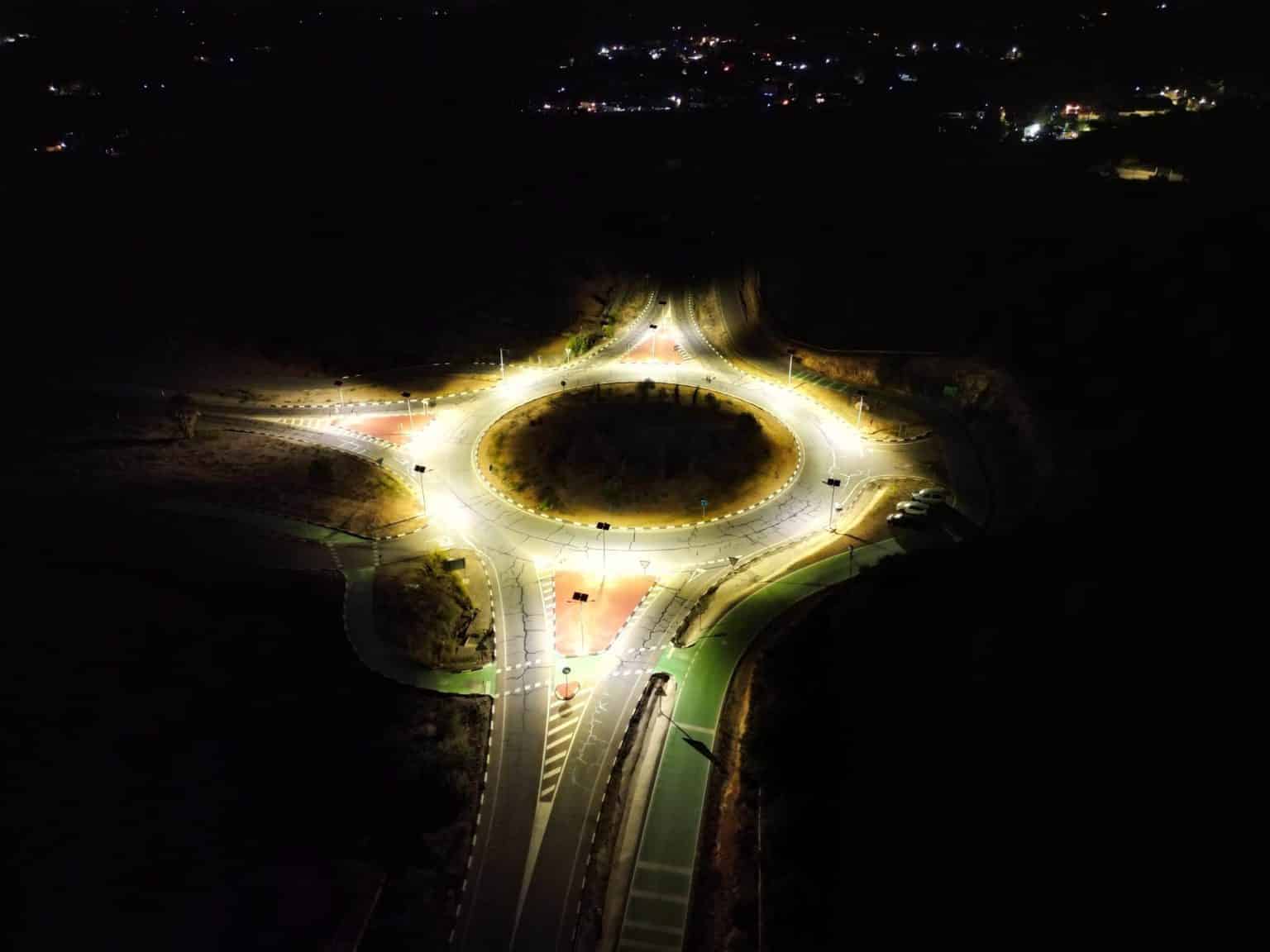
In Marines, the roundabout connecting the CV-25 and CV-333 roads plays a key role in traffic flow. However, it lacked any form of lighting, compromising nighttime visibility and increasing the risk of accidents. Its distance from the power grid made traditional connection both complex and costly, requiring heavy work and major traffic disruptions. To […]
Lighting a 780-meter bridge without grid connection, while reducing infrastructure costs and environmental impact. Located in the Guanacaste province in Costa Rica, the Puente de la Amistad Bridge is a key road infrastructure connecting the cantons of Cañas and Nicoya. With a length of approximately 780 meters and representing an investment of […]
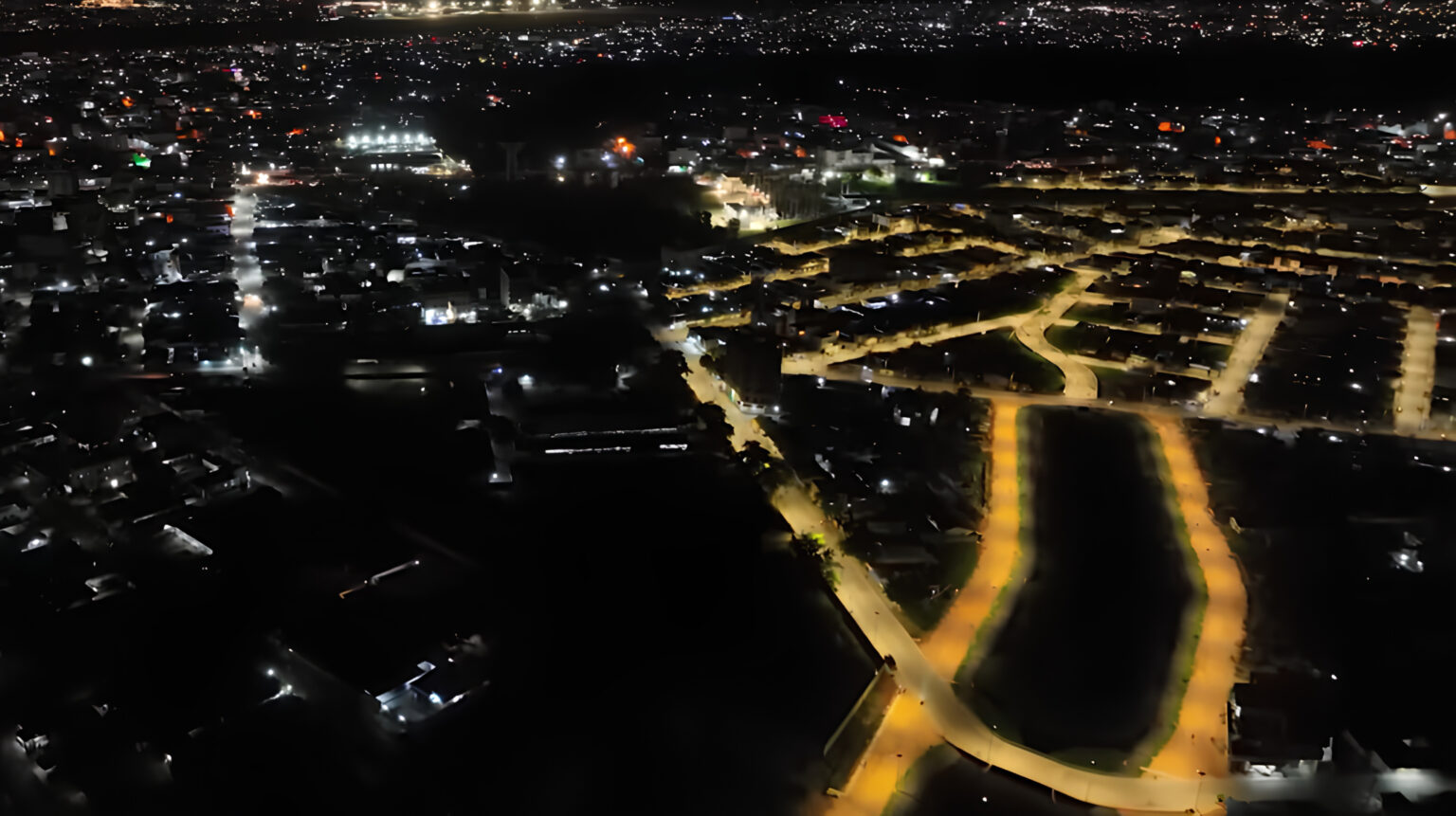
At Cotonou, the economic capital of Benin, stormwater management, safety and quality of life are closely interconnected. The Cotonou Stormwater Drainage Program (PAPC) was launched to provide a long-term response to flooding challenges while modernizing key neighborhoods and major urban corridors across the city. As part of this program, 591 autonomous solar street lights […]
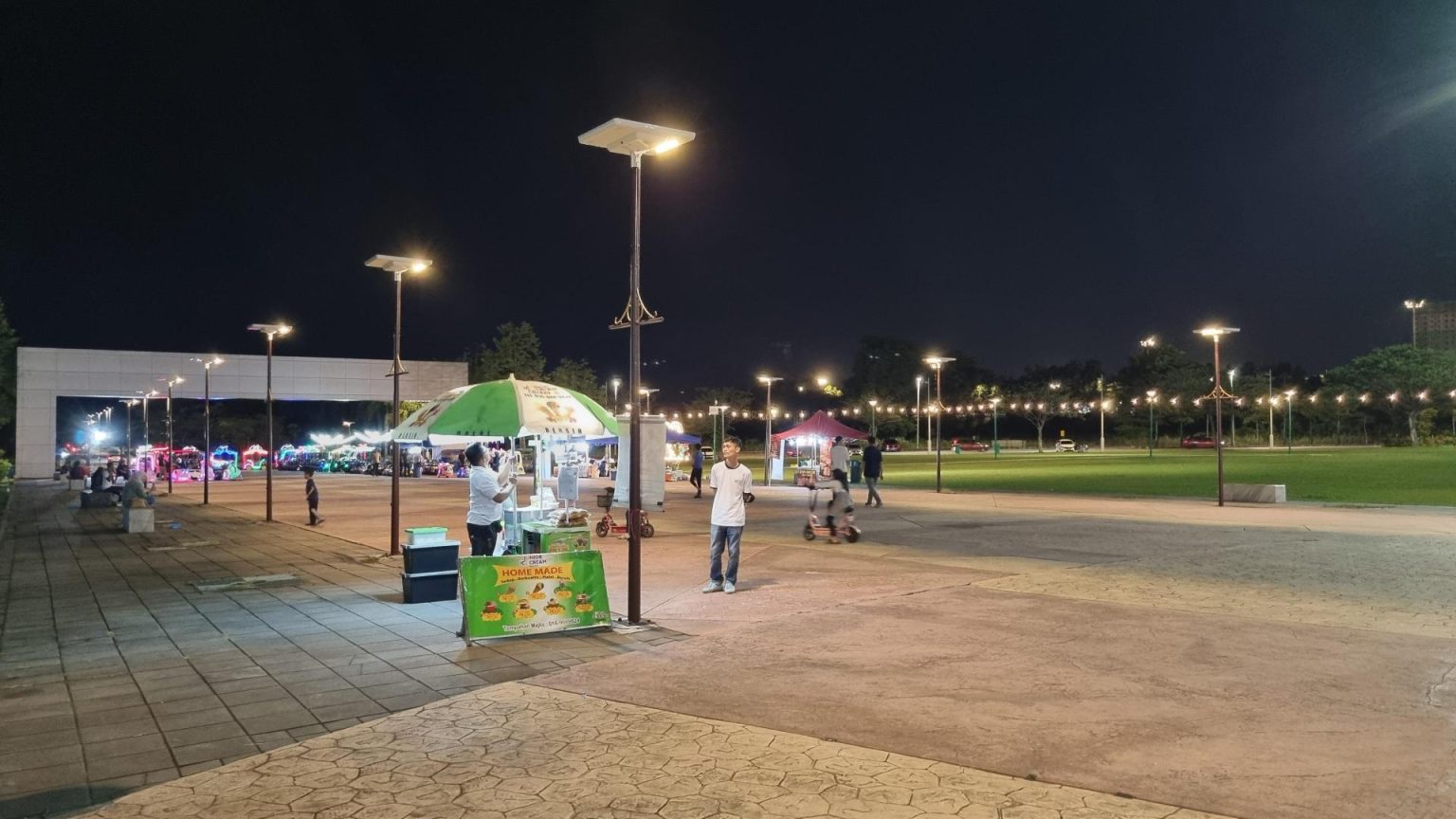
In Ipoh, the capital of Perak State in Malaysia, Bulatan Sultan Azlan Shah is no ordinary roundabout. This large intersection has been fully redeveloped into a vibrant public space: pedestrian zones, night markets, green areas and meeting places make it a central hub of local life.To support this urban transformation and improve safety for […]