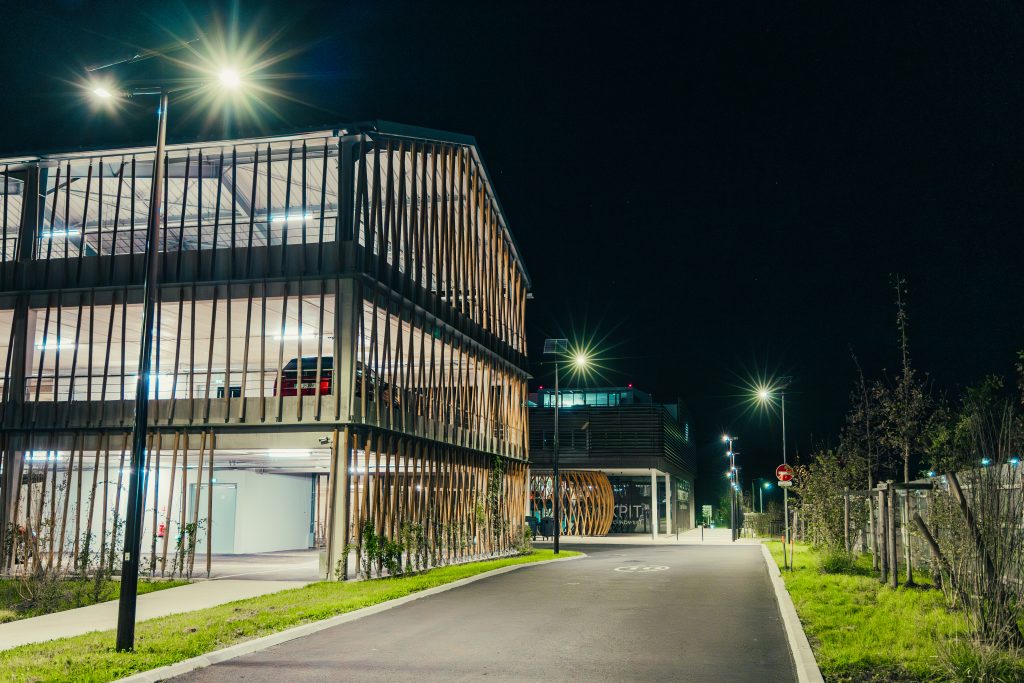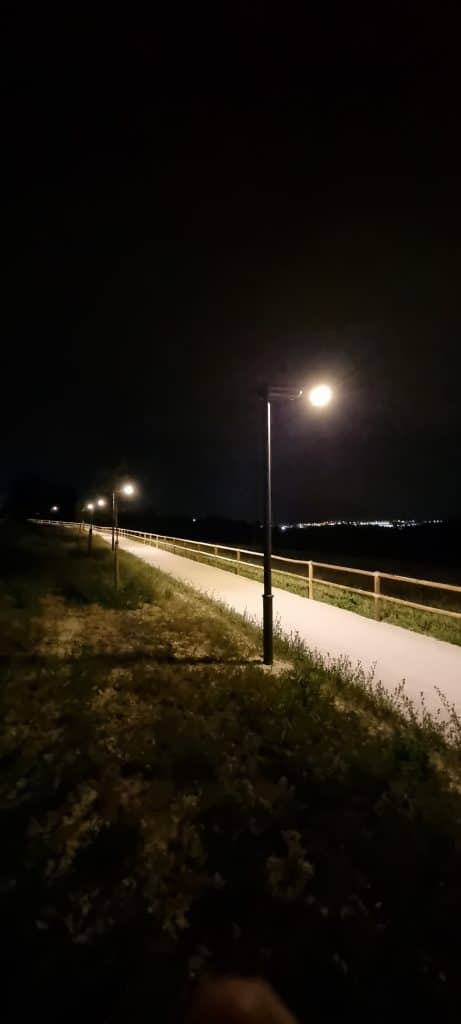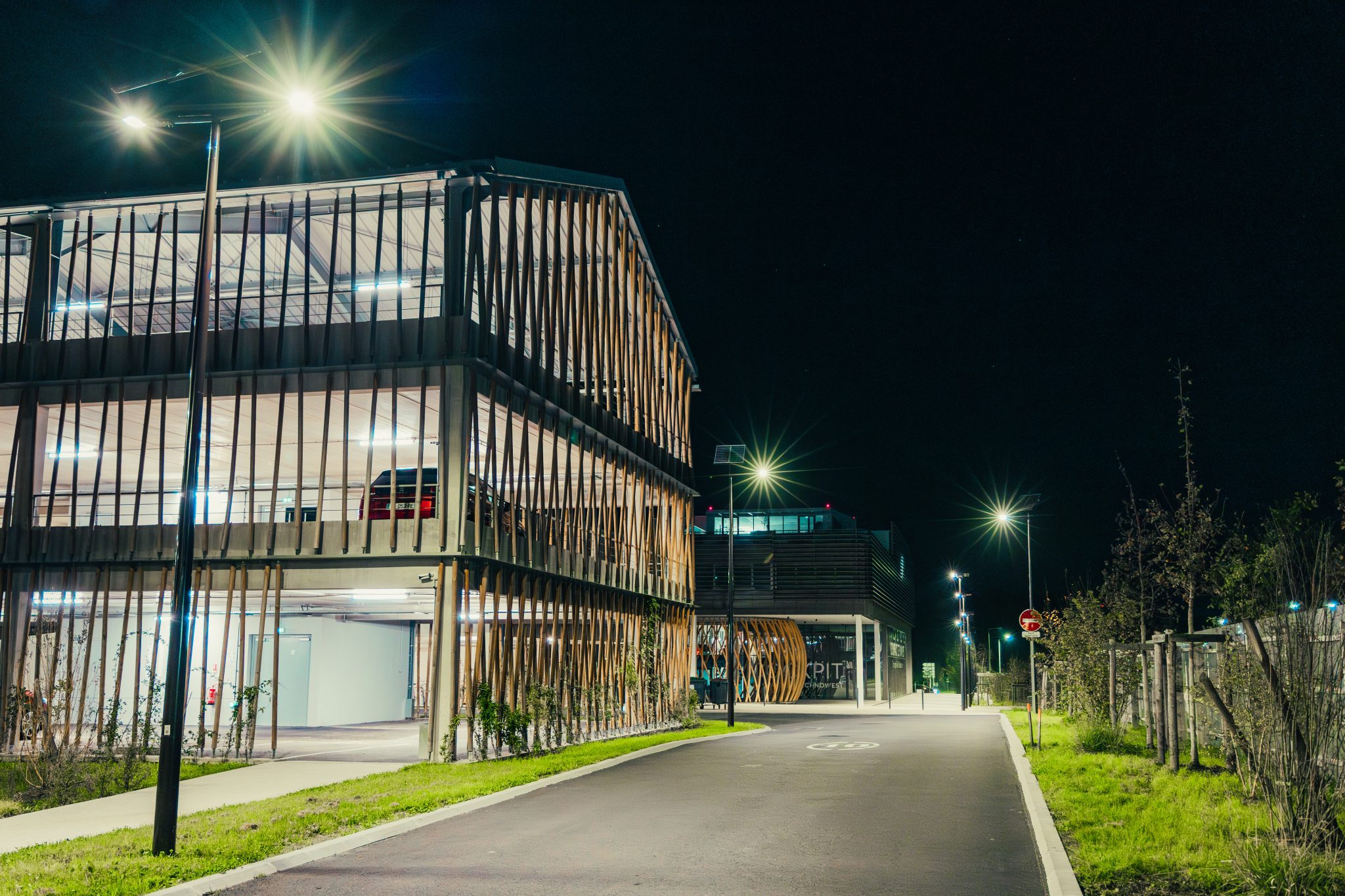
Ensuring access to clean, reliable and affordable energy goes far beyond electricity generation alone. In a context of global energy transition, increasing pressure on power grids and growing demands for sobriety and resilience, energy has become a key public infrastructure issue, essential to everyday uses, safety and continuity of public services. The United Nations’ Sustainable Development Goal 7 (SDG 7) applies to all territories, regardless of their level of development or urbanisation. At Sunna Design, we consider solar public lighting to be a concrete, measurable and immediately operational lever to support this objective, by strengthening local, clean and resilient energy infrastructures.
SDG 7 aims to ensure access to clean and affordable energy for all. However, this objective is not limited to non-electrified areas. It also applies to territories that are already connected to the grid and facing common challenges:
Urban, peri-urban and highly developed territories must also rethink their energy models to ensure continuity of use while reducing their carbon footprint.
Energy can no longer be considered solely through the lens of production. It must be understood as a complete system, encompassing:
From this perspective, energy infrastructure must be robust, predictable and adapted to local contexts. Public lighting, as an essential service, perfectly illustrates this evolution: it must operate every night, regardless of external conditions.

Solar public lighting plays a distinctive role in the energy transition:
By its very nature, solar lighting reconciles energy sobriety, service quality and territorial resilience.
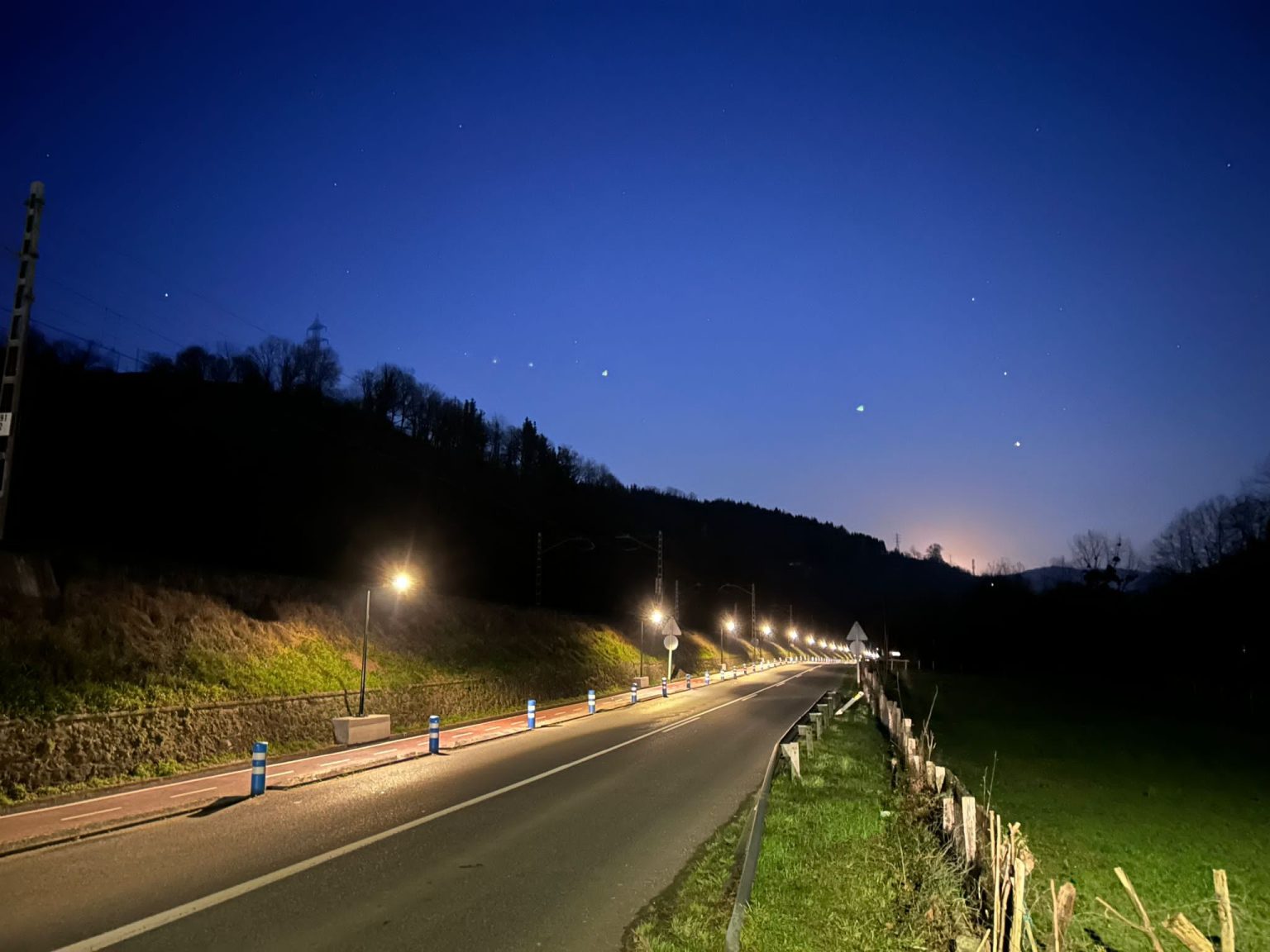
Solar public lighting is relevant in many different environments:
This versatility makes solar lighting a cross-cutting energy infrastructure, capable of adapting to local realities without compromising performance.
Sunna Design designs solar public lighting solutions as true long-term energy infrastructures, based on four core principles:
Total energy autonomy
100% solar solutions, independent from the grid.
Reliability and robustness
products designed to perform sustainably in demanding environments.
Ease of deployment and maintenance
a key factor for local authorities and operators.
Long-term vision
infrastructures designed to support the lasting energy transition of territories.
Solar public lighting thus acts as a convergence point between social, environmental and territorial challenges.
SDG 7 is part of a systemic vision of sustainable development and is closely linked to other goals:
ODD 9 – Industry, Innovation and Infrastructure
modernisation of public energy infrastructure.
ODD 11 – Sustainable Cities and Communities
more resilient and responsibly lit public spaces.
ODD 13 – Climate Action
reduction of CO₂ emissions through solar energy.
At a global scale, energy demand continues to grow while power networks face increasing constraints. In this context, solar public lighting delivers tangible benefits:
By working alongside public authorities and infrastructure stakeholders, Sunna Design contributes to making solar public lighting a practical lever for the energy transition, supporting territories that are more sustainable, secure and autonomous.