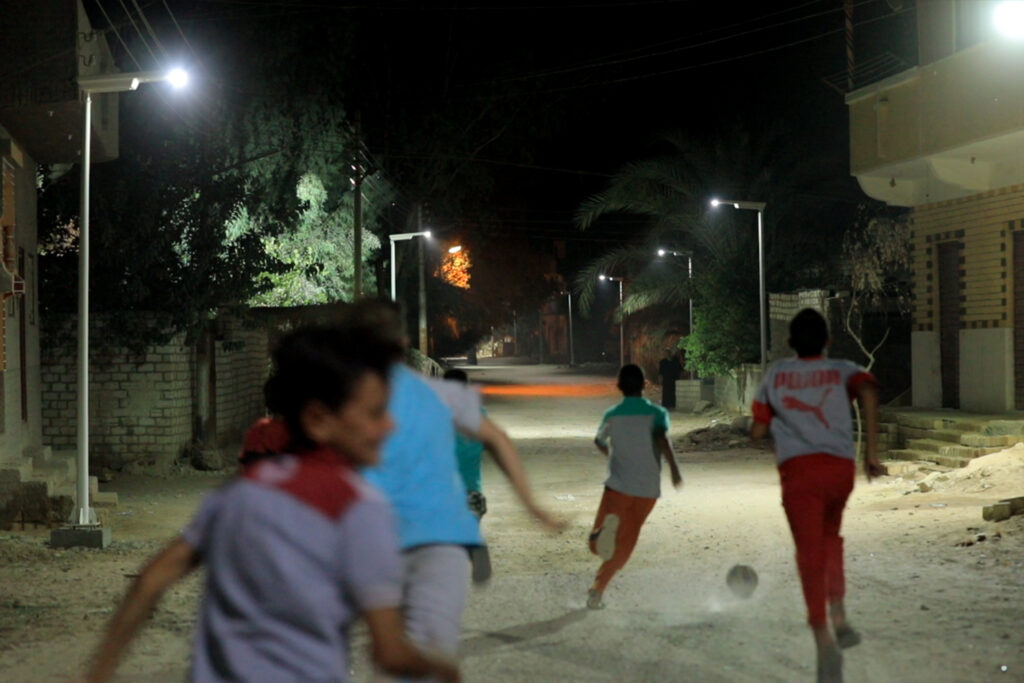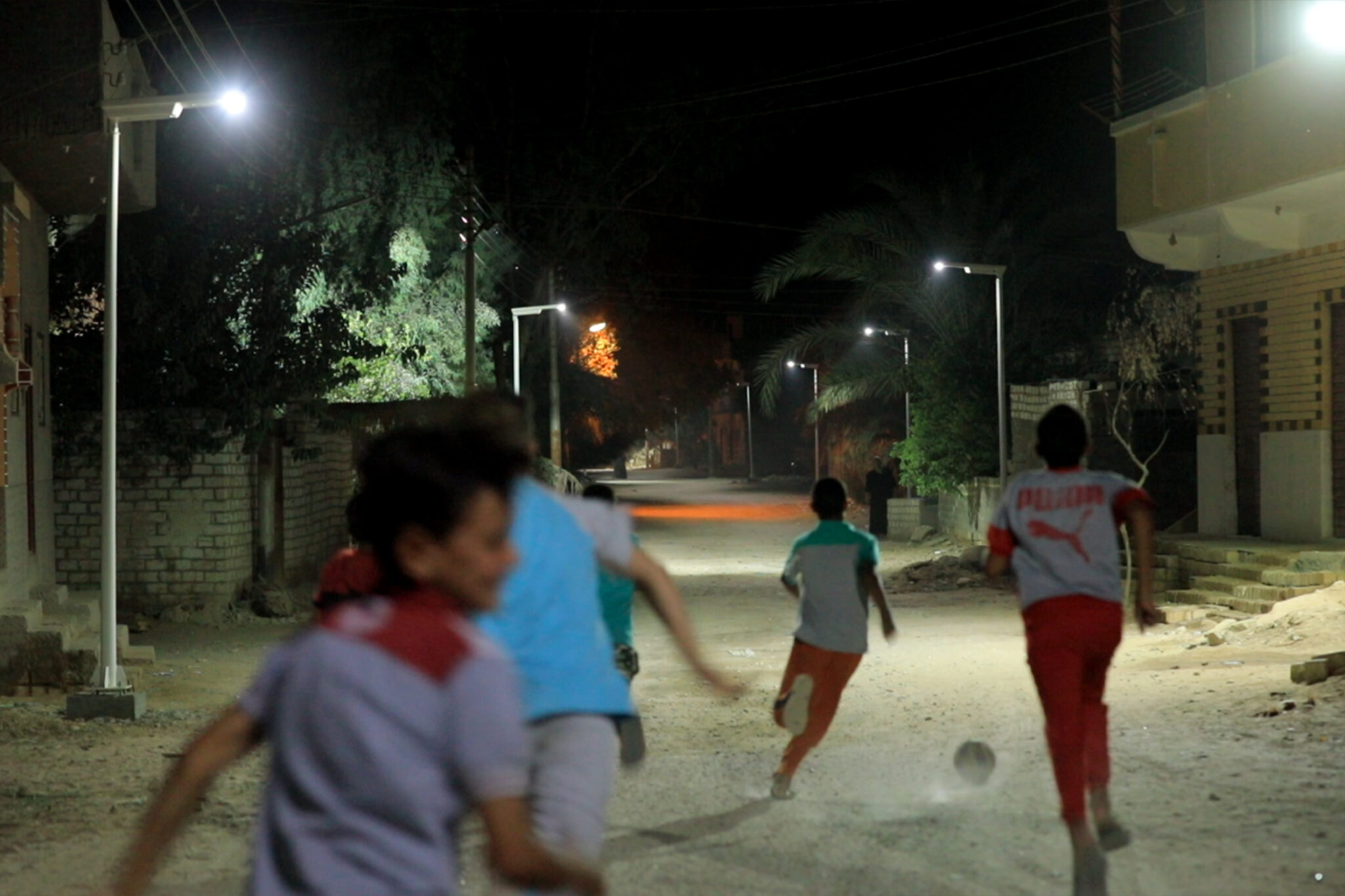
Ensuring access to quality education for all does not rely solely on educational content or teachers. It also requires reliable, safe and locally adapted infrastructure. At Sunna Design, we believe that solar public lighting plays a structuring role in access to education, particularly in territories where access to electricity is limited or unstable. Through our projects, we contribute to the United Nations’ Sustainable Development Goal 4 (SDG 4) by creating environments that support learning, safety and community life.
Education cannot be sustainable without appropriate infrastructure. In many rural, peri-urban or isolated territories, schools and their surroundings face major structural constraints:
These constraints directly reduce access to education and the use of existing infrastructure. When light is lacking, schools, community centres and learning spaces cannot fully fulfil their educational and social role.
In many regions around the world, lighting conditions the use of educational infrastructure. Without reliable lighting, facilities are only accessible for part of the day, limiting:
This reality particularly affects the most vulnerable populations, reinforcing inequalities in access to education. The challenge is therefore not only energy-related: it is social, educational and territorial.

Autonomous solar lighting helps overcome these constraints without relying on existing power grids. It represents a simple yet decisive infrastructure for territories. In practical terms, solar public lighting helps to:
In this context, light is not merely a comfort: it becomes a lever for educational continuity, safety and social cohesion.
Sunna Design develops solar public lighting solutions designed to address the social, environmental and operational challenges faced by territories. Our approach is based on several key principles:
Full energy autonomy
100% solar solutions, adapted to off-grid or weakly electrified areas
Reliability and robustness
products designed to operate sustainably in demanding environments.
Ease of deployment and maintenance
a key factor for local authorities and operators.
Long-term vision
infrastructure designed to sustainably support the educational and social development of territories.

Sunna Design’s solar lighting solutions are deployed in a wide range of educational contexts, illustrating the cross-cutting role of light.
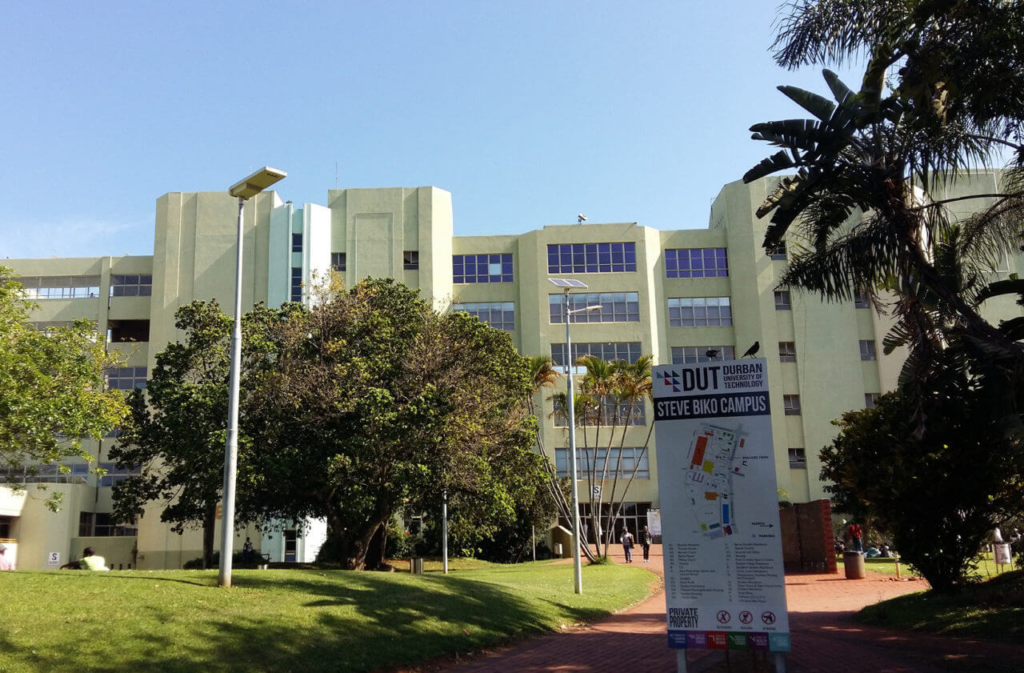
South Africa – University campus
Solar lighting helped secure pedestrian routes and outdoor spaces on a campus, improving student mobility and enabling evening use of facilities. This project shows that solar lighting is also relevant in contexts with existing infrastructure when sustainability and energy performance are priorities.
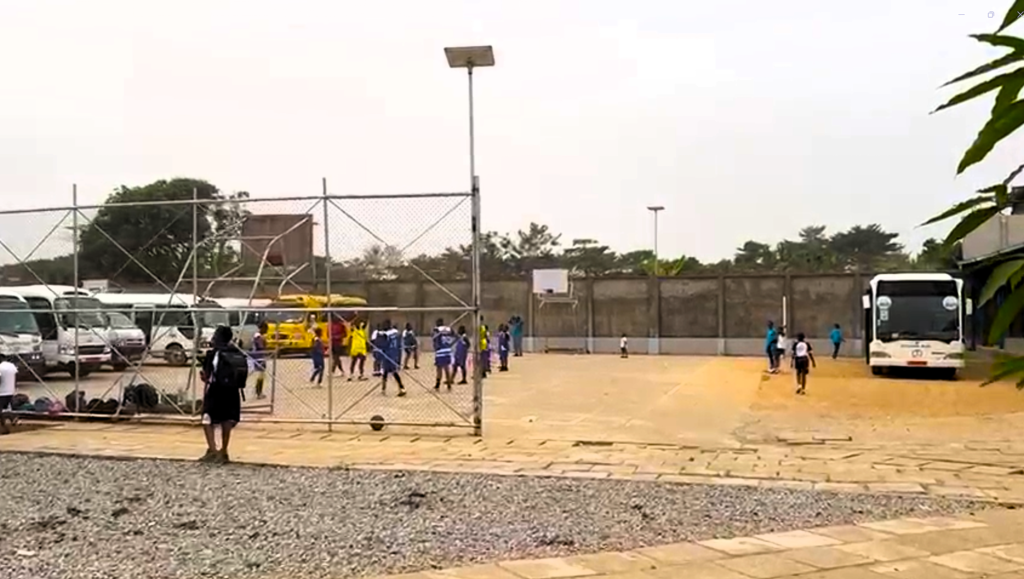
Cameroon – Schools and rural areas
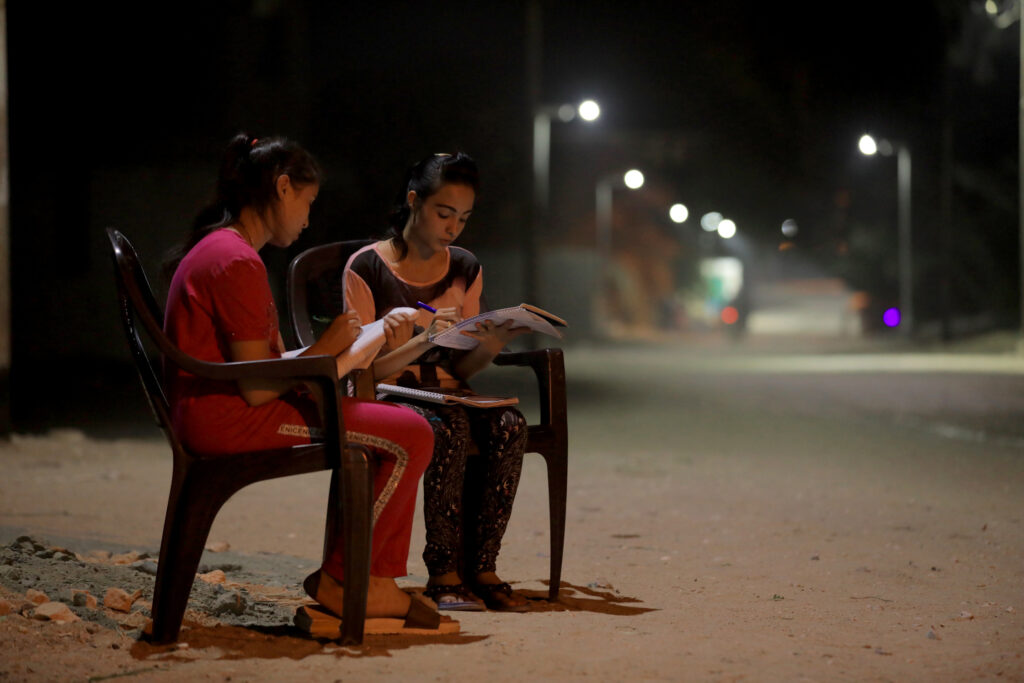
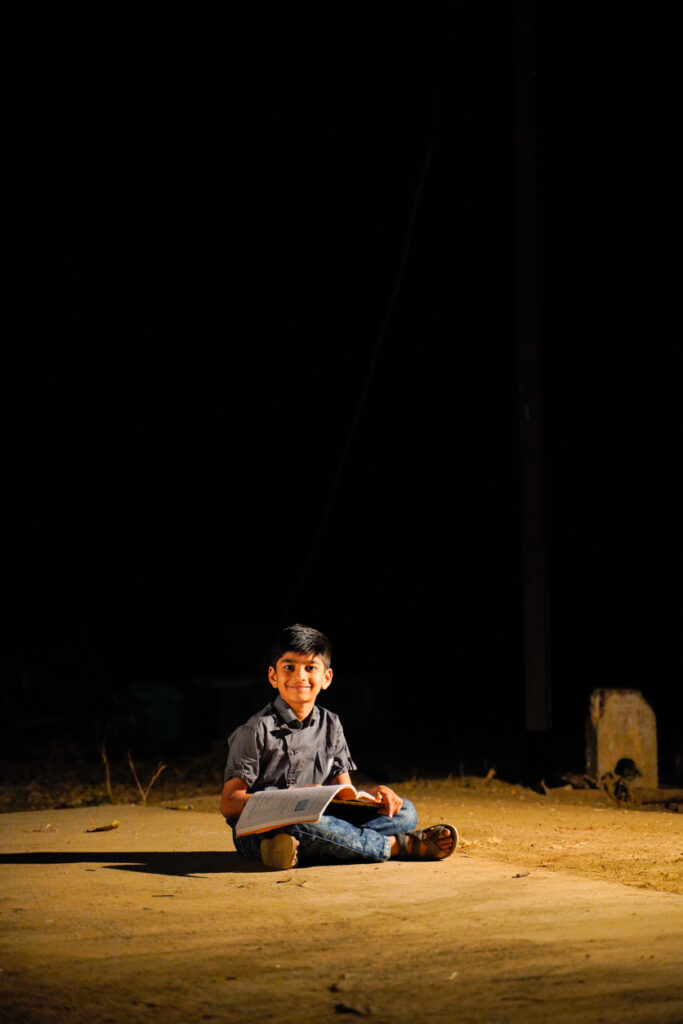
In off-grid areas, solar lighting secures paths around schools and community spaces. Children can move around, do homework or gather safely after nightfall, turning school surroundings into true educational and community spaces.
These projects show that simple infrastructure can have a direct impact on educational uses, regardless of geographic context or level of development.
This cross-cutting approach maximises the social and environmental impact of lighting projects. SDG 4 is part of a global sustainable development framework and is closely linked to other goals:
SDG 7 – Affordable and clean energy
access to reliable solar energy is a prerequisite for sustainable educational infrastructure.
SDG 11 – Sustainable cities and communities
well-lit educational spaces contribute to more inclusive and resilient territories.
SDG 13 – Climate action
solar lighting contributes to reducing CO₂ emissions.
According to international data, hundreds of millions of people in Africa still lack access to electricity, and a significant share of schools do not have reliable power supply. This situation severely limits access to education and the use of school infrastructure, particularly in rural areas.
In response to these challenges, Sunna Design is committed to:
Projects carried out on university campuses, in rural schools or within local communities demonstrate that solar lighting can tangibly improve learning conditions, enhance safety and support educational and social life.
Quality education also starts with well-lit, safe and accessible spaces for all.